
Key Takeaways
- Assess your financial situation thoroughly to prepare for life after divorce.
- Understand the legal requirements and processes specific to your state.
- Consider the emotional and psychological impact on yourself and your family.
Divorce is a major life decision with significant social, financial, and emotional implications. Whether you are contemplating your first steps or already exploring your options, proactively preparing can help you navigate the changes ahead more effectively. Consulting a qualified divorce attorney Tampa can provide critical guidance and ensure your rights and interests are protected throughout the process.
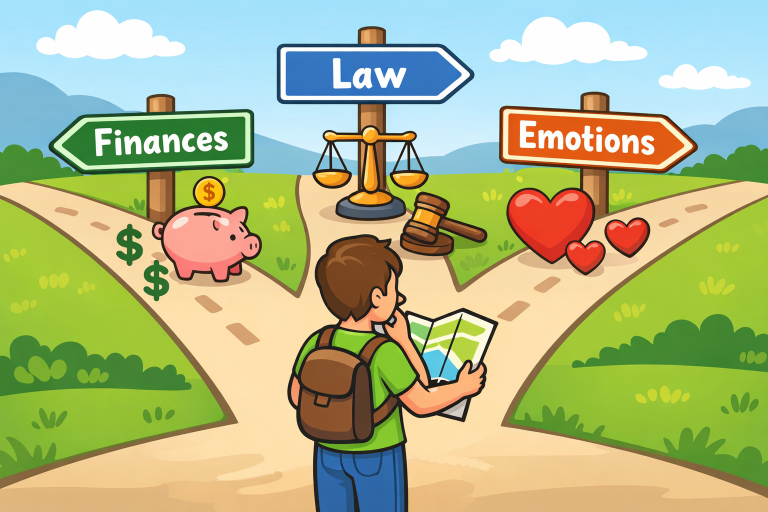
Being informed from the beginning helps you avoid common pitfalls and sets a stronger foundation for your post-divorce life. Taking time to examine your personal circumstances, understand your legal obligations, and address both practical and emotional concerns is essential for a smoother transition.
As you evaluate your next steps, recognize that every divorce situation is unique. From finances and legal requirements to emotional health and family dynamics, thoroughly considering each area contributes to more confident decision-making. Early preparation allows you to adapt to unexpected situations or challenges that arise.
Financial Preparation
Understanding your financial landscape is fundamental before you start the divorce process. Begin by compiling a full record of your bank accounts, credit card statements, tax returns, mortgage information, and any investment portfolios. This documentation will be necessary when disclosing assets and liabilities to the court or your spouse’s legal counsel.
- Identify all sources of income and major expenses, from everyday living costs to upcoming obligations.
- Draft a post-divorce budget to estimate new housing, transportation, childcare, or health expenses.
- Check your credit report and take steps to separate joint accounts to protect your credit rating.
Learning more about financial readiness can help secure your future independence.
Understanding Legal Requirements
Each state has its own rules and regulations for divorce, including residency requirements and waiting periods. Take time to research your jurisdiction’s specific laws to avoid delays in your case. Understanding your legal obligations also helps you prepare documents and anticipate timelines more effectively.
- Find out how long you must live in your state before filing for divorce.
- Review the legal grounds for divorce, including no-fault and fault-based options.
- Be aware of any required separation periods before you are eligible to file.
Emotional Considerations
The emotional strain of divorce can be overwhelming, especially when children are involved. Proactively seeking support from loved ones, counselors, or divorce support groups can make the transition less isolating. It is equally important to acknowledge and address the impact on children and help them adapt to changes in the family dynamic.
- Reach out to mental health professionals for individual or family counseling as needed.
- Maintain open, age-appropriate communication with your children about what to expect.
- Anticipate shifts in friendships or social circles and explore new sources of support.
Child Custody and Support
Custody and child support arrangements are among the most significant concerns for parents. Each situation is unique, but judges typically prioritize the children’s best interests.
- Learn about the differences between joint, sole, physical, and legal custody.
- Review your state’s guidelines for calculating child support obligations.
- Work on a realistic co-parenting or parenting plan that prioritizes stability for your children.
Property and Asset Division
Dividing property often requires detailed accounting and negotiation. Marital assets such as real estate, business interests, vehicles, and retirement plans must be distinguished from separate property owned before marriage or received as gifts or inheritances.
- List all jointly owned and personally owned property.
- Hire financial professionals to obtain fair market values for complex assets if needed.
- Work toward an equitable settlement that takes future needs into account.
Choosing Legal Representation
Selecting the right attorney can have a lasting impact on the outcome of your divorce. Experienced lawyers will help you understand your options and minimize setbacks. Alternatively, mediation or collaborative approaches can reduce conflict and legal costs for couples who can work together.
- Interview more than one attorney to find the best fit for your situation.
- Determine if your case requires litigation or can be resolved through alternative methods.
- Utilize community legal aid services if you have limited financial resources.
Exploring Alternative Dispute Resolution
Alternative dispute resolution methods, such as mediation, offer couples privacy and flexibility when resolving disputes. These approaches can save time and emotional distress compared to traditional litigation. Arbitration, in which a neutral party delivers a binding decision, is also worth considering in contentious cases.
- Mediation helps facilitate dialogue between spouses about asset division, custody, or support.
- Collaborative divorce brings together both parties and their lawyers to reach a mutually agreeable settlement.
- Arbitration provides a binding decision from a neutral third party when negotiation fails.
Post-Divorce Planning
After the divorce decree is finalized, promptly update your legal and financial affairs. Review the beneficiaries on your accounts, revise your will and advance directives, and adjust your insurance policies as necessary.
- Update estate planning documents such as wills and powers of attorney to reflect your new circumstances.
- Revise retirement plans, health insurance, and investment beneficiaries.
- Establish new routines, seek ongoing support, and give yourself time to adjust.
Thoughtful post-divorce planning will help you move forward with confidence, enabling you and your family to embrace new beginnings on a more secure and stable footing.
Final Thoughts
Preparing for divorce is not just about navigating legal procedures—it’s about laying the groundwork for your future. By taking the time to understand your financial situation, familiarize yourself with legal requirements, and address the emotional impact, you position yourself to move through the process with greater clarity and control.
While the journey can feel overwhelming, thoughtful preparation helps reduce uncertainty and empowers you to make informed decisions that align with your long-term goals. From protecting your financial stability to prioritizing your children’s well-being, each step you take before and during the process contributes to a more balanced and manageable transition.
Divorce marks the end of one chapter, but it also creates space for new beginnings. With the right support system, careful planning, and a proactive mindset, you can navigate this life change with resilience and emerge ready to build a stable, healthy, and fulfilling next phase.

