
Flags serve as powerful symbols of identity, unity, and history. As societies evolve, so do the protocols surrounding their display and use. Understanding contemporary flag etiquette Birmingham AL ensures that these symbols are treated with the respect they deserve. Whether at public events or in digital spaces, proper flag etiquette strengthens the connection between people and their shared symbols, ensuring that the flag is always honored.
Traditional protocols for the display and handling of flags are rooted in respect, but recent changes reflect a growing awareness of diversity and the importance of inclusivity. From adjustments in military practices to heightened sensitivity around controversial symbols, flag etiquette is adapting to today’s cultural context in ways that affect both public and private observances.
Traditional Flag Etiquette
Historically, guidelines such as the United States Flag Code have dictated how a flag should be cared for, displayed, and retired. These rules require that the flag never touch the ground, always be hoisted briskly and lowered ceremoniously, and be illuminated if flown at night. These traditional principles form the foundation of flag protocol and are commonly referenced in educational settings, civic organizations, and governmental institutions to maintain integrity and respect for this national symbol.
Flag etiquette also includes properly folding the flag into a triangular shape, carrying it horizontally only when necessary, and not using it as clothing or drapery. Offenses such as writing on or altering the flag are discouraged, as they may be seen as disrespectful. These time-honored conventions continue to shape modern perceptions of what it means to display a flag appropriately.
Recent Changes in Flag Protocols
Recent updates to flag protocols reflect changing social attitudes, logistical needs, and respect for symbolism. By January 2025, the Pentagon lifted its ban on displaying the U.S. flag horizontally at major events, accommodating practical needs and emphasizing dignity. Other organizations also update guidelines to stay compliant and culturally sensitive, ensuring the flag’s symbolism is preserved and widely understood.
Displaying the Flag at Public Events
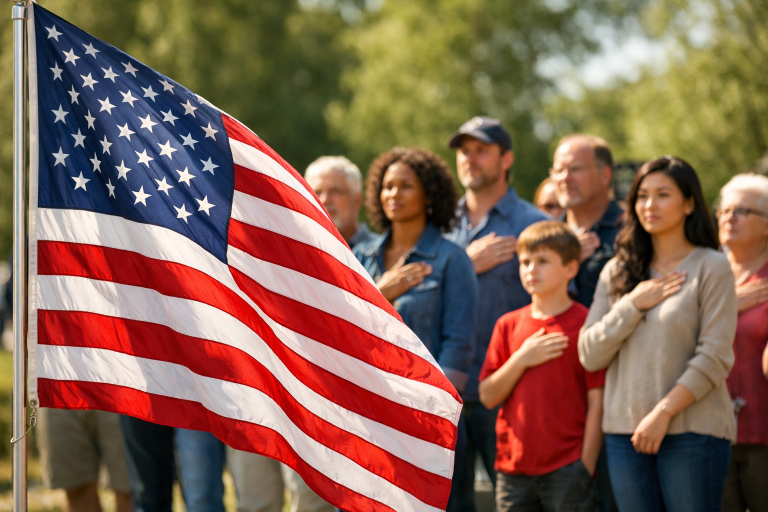
Public ceremonies and sporting events often display flags. Recent policy updates allow service members to unfurl large flags horizontally, creating memorable visual statements that honor the flag’s meaning. This suits large venues while maintaining dignity. At parades, concerts, and observances, flag presentations usually include the national anthem, silence, or other respectful gestures. Organizers should review etiquette guidelines to ensure respectful, inclusive ceremonies that reflect current best practices.
Handling Controversial Symbols
The presence of flags and symbols with controversial or offensive histories remains a sensitive issue. For example, in 2024, the United States Coast Guard faced scrutiny over its policies regarding symbols such as swastikas and nooses. Initially labeled “potentially divisive,” the description was later revised to explicitly ban such symbols, emphasizing inclusivity and respect within the organization. These changes reflect society’s growing insistence on clear guidelines that foster safe and respectful environments for everyone.
Many organizations have adopted similar measures, explicitly banning any use of hate symbols or controversial flags at workplaces and schools. This approach champions unity and inclusion, guided by both legal considerations and communal values.
Flag Display in Digital Spaces
With digital communication central to life, flags are often displayed online. While the US Flag Code was for physical flags, its spirit still applies. Digital flags should respect proportions, colors, and placement, always presented appropriately. Managing websites, social media, or online events requires adopting best digital flag etiquette practices. Accurate online flag imagery safeguards the flag’s dignity, preventing misuse for inappropriate or commercial purposes. Communities and organizations update digital branding to reflect growing online patriotism.
Educational Resources on Flag Etiquette
A variety of educational resources are available for those who want to deepen their understanding of flag etiquette. The American Legion, for example, offers extensive information on proper flag handling, ceremonies, and the respectful retirement of worn flags. Flag advocacy organizations and many public libraries provide access to both historical context and current standards for flag use, ensuring these important customs are accessible to all generations.
Schools and citizenship programs are also embracing these educational resources to instill pride and comprehension in students, often coupling instruction with participatory ceremonies and practical demonstrations.
Conclusion
Flag etiquette is an evolving practice that bridges tradition with new societal values and needs. By staying informed about current guidelines and approaching flag display with both reverence and inclusivity, individuals and organizations help preserve the flag’s meaning for future generations. Whether at events, in classrooms, or in digital spaces, upholding these standards fosters unity and respect for symbols that bring people together.

