
Key Takeaways
- Engine swaps are a powerful way to improve vehicle performance, fuel efficiency, and long-term reliability.
- Successful swaps depend heavily on planning, compatibility, and professional expertise.
- Modern engines offer benefits beyond power, including cleaner emissions and smoother operation.
- Costs extend beyond the engine itself and should include supporting systems, labor, and potential contingencies.
- Legal and safety considerations are just as important as performance goals when planning a swap.
Understanding Engine Swaps
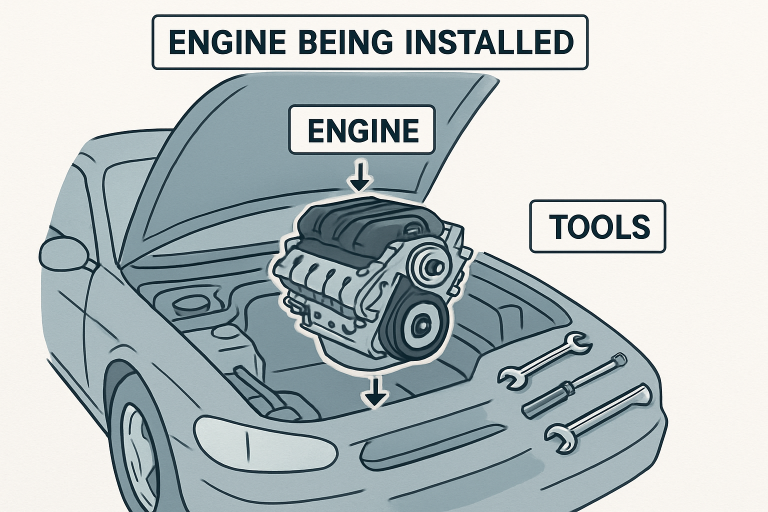
An engine swap involves replacing a vehicle’s existing engine with a different one, often to enhance performance, efficiency, or reliability. Car enthusiasts and professionals alike have become increasingly interested in this modification due to the substantial gains it offers. Whether driven by the need for more power, better fuel economy, or more robust reliability, an engine swap can be a transformative upgrade. For many drivers in specific regions, seeking specialized help is key to a successful project. When considering modifications or services such as an engine swap or pump transfer Hampton, VA researching experienced professionals is essential to ensure quality results and long-term satisfaction.
Swapping an engine not only changes what sits beneath the hood but can also redefine a vehicle’s entire personality. By making the right choices and leveraging modern technology, car owners can gain a competitive edge or simply restore aging vehicles to their former glory with a state-of-the-art powerplant. Careful planning and attention to detail are required, but the rewards in performance and enjoyment can be substantial.
Benefits of Engine Swaps
- Increased Horsepower and Torque: By selecting an engine with greater output, car owners can dramatically increase horsepower and torque. A vehicle that once felt underpowered becomes a potent performer, responding crisply to every press of the accelerator. These upgrades are not only felt in straight-line speed but also in improved towing capacity and a sportier driving feel.
- Enhanced Fuel Efficiency: Modern engines incorporate technologies such as direct injection, turbocharging, and variable valve timing, which can significantly improve fuel efficiency. Studies, including those by Car and Driver, have found that advanced fuel-delivery systems can improve efficiency by 10 to 15 percent, depending on driving habits and specific engine choices.
- Improved Reliability: A key draw for many is replacing an unreliable or failing engine with a newer, more robust design. A successful swap can extend the lifespan of a beloved car, reduce the frequency of maintenance visits, and provide peace of mind on long journeys.
The benefits are not purely theoretical. Every year, countless vehicle owners breathe new life into their cars and trucks, enjoying both improved performance and reliability. The enhancements can be dramatic, especially when moving from an older or high-mileage engine to a modern, well-matched replacement.
It is important to note that beyond the excitement of added power and capability, better-engineered engines often mean cleaner emissions and smoother operation. In an era when efficiency and environmental performance are increasingly under scrutiny, a well-chosen swap can help keep vehicles viable and road-legal for years to come.
Popular Engine Swap Options
Several engine swaps are particularly well-known in the automotive world for providing excellent performance enhancements:
- LS Engine Swap: The General Motors LS-based small-block engine has become a gold standard in the swap community. It is highly modular and enjoys wide aftermarket support, making it suitable for everything from muscle cars to compact imports. LS engines are respected for their balance of reliability, power output, and availability.
- Ford Coyote V8 Swap: Swapping a modern Ford Coyote V8 into a Mustang EcoBoost or an older chassis is another popular modification. The Coyote delivers crisp throttle response and smooth high-rev performance, although projects often run upward of $10,000 depending on parts and labor. Enthusiasts are rewarded with a distinct, smooth-revving V8 that elevates any build.
A wide variety of other engines are commonly used, from classic straight-sixes to state-of-the-art turbocharged fours, depending on the desired outcome and the platform. The best choice depends on a balance of compatibility, performance goals, availability, and support.
These powerful engine options make previously modest cars competitive and allow for extensive personalization according to a driver’s performance goals and ongoing project plans.
Considerations Before an Engine Swap
Starting an engine swap means careful planning and diligent research. It is essential to ensure the new engine is compatible with the vehicle’s chassis, transmission, and electronic systems. Swaps that overlook these compatibility concerns can end up stalling, costing more, or requiring major fabrication work.
- Compatibility: Matching engine mounts, transmission bellhouses, electronics, and fuel systems is critical for preventing headaches during installation.
- Legal Compliance: Regional and national emissions regulations can affect which engines may be legally installed. It is important to confirm that the finished vehicle is street legal and passes any required inspections.
- Budget: Beyond the engine, the budget must account for hidden costs, including swap kits, upgrades to fuel, cooling, and exhaust systems, professional labor, and the possibility of unforeseen repairs or setbacks.
Potential Challenges
Even a well-planned swap can present significant hurdles. Mechanical issues caused by improper fit, inadequate support, or incorrectly modified components can lead to leaks, failures, or dangerous road conditions. Ensuring work is handled by experienced professionals is crucial for both safety and performance.
- Mechanical Issues: From wiring harness modifications to engine mounts and fluid plumbing, meticulous installation is essential to avoid setbacks and potential damage.
- Safety Concerns: Altering a vehicle’s fundamental components may affect its safety features, handling dynamics, or braking performance. Proper testing and quality assurance are essential before returning a modified vehicle to daily use.
While these challenges can be significant, proper preparation and reliance on expert installers minimize risks and ensure a safe, enjoyable end result.
Steps to a Successful Engine Swap
- Research and Planning: Identify which engines are compatible and what additional systems or modifications are necessary. Gather all required information and develop a step-by-step plan before proceeding.
- Professional Assistance: Consult with experienced mechanics or specialist shops familiar with your chosen swap. This expertise is invaluable for overcoming technical hurdles and ensuring professional results.
- Post-Swap Testing: After the new engine is installed, conduct comprehensive checks, including test drives, diagnostics, and inspections, to verify that all components function as intended and meet safety standards.
Taking these steps not only helps achieve the desired performance gains but also prevents costly mistakes or safety risks down the road.
Final Thoughts
An engine swap can be a dramatic upgrade that significantly improves performance, reliability, and efficiency. By thoroughly preparing, choosing compatible components, and working with trusted professionals, drivers can revitalize their vehicles to match their specific needs and performance ambitions. Engine swaps are a testament to automotive passion and ingenuity, offering rewards that extend well beyond the numbers on a dyno.

